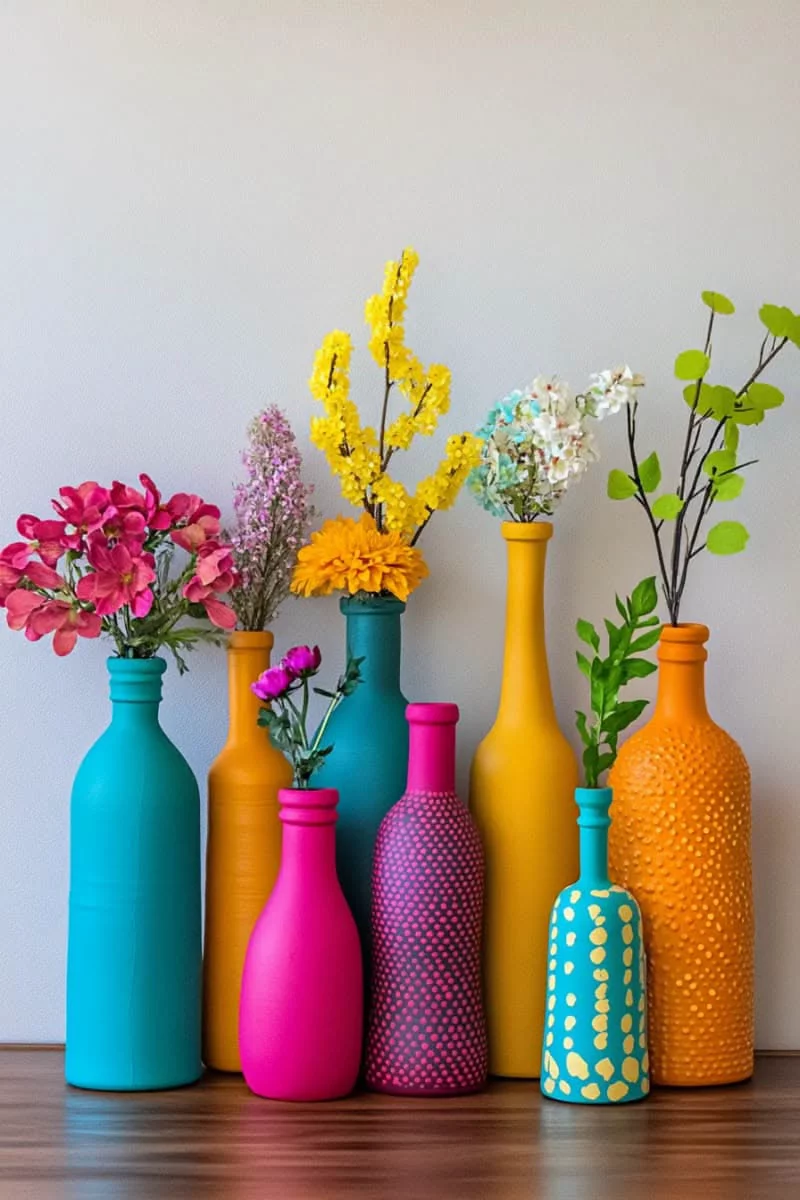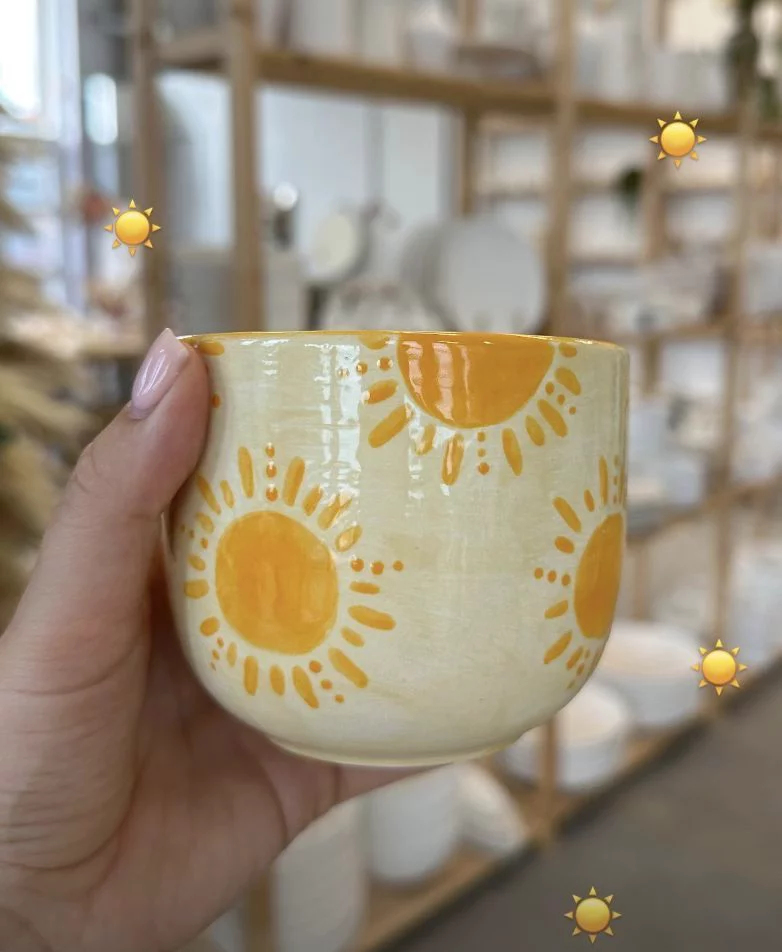

Shopping is not just about spending money. At its best, shopping is about choosing things that make your life easier, more beautiful, more comfortable, or more expressive. A good purchase can become part of your daily routine, your personal style, your home, or even your memories.
But in a world full of discounts, trends, influencer recommendations, and “limited-time offers,” shopping can also become overwhelming. Suddenly, everything looks necessary. A dress you did not need becomes “perfect for an imaginary dinner.” A candle becomes “essential for your emotional stability.” A basket becomes “storage,” even though you already own twelve baskets and zero things to store.
Shopping well means learning how to choose with intention. It is not about buying less just to be strict with yourself. It is about buying better.
Understand What You Actually Need
Before buying anything, start with a simple question: what do I actually need?
This sounds obvious, but many people shop from emotion instead of reality. They buy clothes for a lifestyle they do not live, home decor for a space they do not have, or beauty products they will use once and then abandon in the bathroom cabinet like tiny expensive ghosts.
Look at your real life. Do you need comfortable everyday clothes? Better shoes for work? Storage for your room? A good bag? New skincare? Kitchen items you will truly use?
The best purchases fit your actual lifestyle, not a fantasy version of it.
Know Your Personal Style
Shopping becomes easier when you understand your own taste. This applies to fashion, home decor, beauty, accessories, and even gifts.
When you know your style, you are less likely to buy random things just because they are trendy. You begin to recognize what colors, shapes, materials, and designs you actually love.
For fashion, this might mean knowing you prefer neutral basics, feminine dresses, sporty outfits, oversized silhouettes, or elegant pieces. For home decor, it might mean choosing cozy textures, minimal designs, vintage details, or soft colors.
Trends can inspire you, but your personal style should guide you.
Do Not Let Sales Control You
Sales can be useful, but they can also trick you. A discount can make an unnecessary item feel like a smart decision. But saving money on something you did not need is not really saving money — it is just spending less badly.
Before buying something on sale, ask yourself: would I still want this if it were not discounted?
If the answer is yes, it may be a great find. If the answer is no, the sale is doing all the flirting and the product has no personality.
Good shopping means buying because the item is right for you, not because the price tag is yelling.
Choose Quality When It Matters
Not everything needs to be expensive. Some items can be simple, affordable, and still work perfectly. But for things you use often, quality matters.
A good coat, comfortable shoes, a durable bag, soft bedding, reliable kitchen tools, or well-made furniture can make your daily life better for a long time. These are items worth choosing carefully.
Quality does not always mean luxury. It means good materials, strong construction, comfort, and usefulness. Sometimes, a slightly higher price can be worth it if the product lasts longer and feels better.
Read Product Details Carefully
Online shopping is convenient, but photos can be very persuasive. A product may look perfect in pictures, but the details tell the real story.
Always check measurements, materials, care instructions, size guides, return policies, and customer reviews. For clothes, pay attention to fabric composition and fit. For home items, check dimensions so you do not accidentally buy a “large” vase that is actually the size of a perfume bottle.
Product descriptions are not the most glamorous reading material, but they can save you from disappointment.
Build a Wardrobe or Home Slowly
One of the biggest shopping mistakes is trying to buy everything at once. A beautiful wardrobe, cozy home, or effective beauty routine is usually built slowly.
When you rush, you often buy fillers — things that are okay, but not truly right. Later, you realize you spent money on pieces you do not love.
Take your time. Let your taste develop. Buy one good item instead of five random ones. A slow, thoughtful shopping approach creates better results and less clutter.
Shop for Your Real Body and Real Life
When buying clothes, choose pieces that fit your body now, not your body “one day.” You deserve to feel good today, not only after changing something about yourself.
The same idea applies to your lifestyle. Do not buy heels if you hate wearing heels. Do not buy tiny bags if you carry half your life with you. Do not buy delicate white trousers if you know you spill coffee like it is a personality trait.
The best items work with your life, not against it.
Think About Cost Per Use
One smart shopping trick is to think about cost per use. A cheap item you wear once may actually be expensive. A more expensive item you use every week may be a better value.
For example, a classic coat, everyday sneakers, a good pair of jeans, or a quality handbag can be worth the investment if you use them often. Meanwhile, a trendy piece that sits untouched in your closet is not a bargain, even if it was very cheap.
Shopping well is not only about the price. It is about value.
Avoid Buying Out of Boredom
Many people shop when they are bored, stressed, sad, or looking for excitement. Online shopping makes this especially easy. A few clicks, a little dopamine, and suddenly a package is coming to your house like a surprise from your less responsible self.
Before buying, pause and ask: do I want this item, or do I just want a feeling?
Sometimes, what you actually need is rest, entertainment, comfort, or inspiration — not another order confirmation email.
Make a Wishlist
A wishlist is one of the best tools for shopping wisely. Instead of buying immediately, save the item and come back to it later.
If you still want it after a few days or weeks, it may be worth buying. If you forget about it, that tells you everything. A wishlist helps you separate true interest from temporary excitement.
It also helps you plan for sales, birthdays, holidays, or seasonal purchases.
Invest in Basics, Then Add Personality
Basics are the foundation of good shopping. In fashion, basics might include simple tops, good jeans, comfortable shoes, a classic jacket, and everyday accessories. In home decor, basics might include good bedding, neutral furniture, storage, lighting, and practical kitchen items.
Once the basics are strong, you can add personality with color, prints, textures, statement pieces, or trendy details.
This balance keeps your style practical but not boring. Nobody wants a home or wardrobe with the emotional range of plain toast.
Be Careful with Trends
Trends can be fun. They make shopping feel fresh and exciting. But trends move quickly, and not every trend deserves a place in your life.
Before buying a trendy item, ask yourself whether it matches your style and whether you will still enjoy it when it is no longer everywhere.
If you love it, wear it or use it proudly. If you only want it because everyone else has it, wait. Your money should not be controlled by the internet’s attention span.
Check What You Already Own
Before shopping, look at what you already have. This is especially useful for clothes, beauty products, home decor, and kitchen items.
You may discover that you already own something similar, or that you need a very specific missing piece. Maybe you do not need another black top, but you do need better trousers. Maybe you do not need more candles, but you do need a lamp.
Shopping your own closet or home first helps you make smarter decisions.
Choose Items That Make Daily Life Better
The best purchases are often the ones that improve everyday life. Comfortable bedding, a good coffee mug, a practical bag, flattering jeans, a soft sweater, a reliable charger, organized storage, or quality skincare can bring small daily satisfaction.
Not every purchase needs to be dramatic. Sometimes, the most useful things are quiet heroes.
A good item does not just look nice. It makes your routine smoother, easier, or more enjoyable.
Final Thoughts
Shopping well is not about being perfect, minimal, or never buying fun things. It is about becoming more intentional with your choices.
Buy things that fit your real life. Choose quality where it matters. Enjoy trends without being controlled by them. Pay attention to details. Wait before impulse purchases. And most importantly, choose items that you will actually use, love, and feel good about.
The goal is not to own more. The goal is to own better — pieces that make your wardrobe, home, routine, and life feel more like you.